Commercial & Industrial Solar with ₦0 Upfront Payment
Residential Solar
Solar panels, an inverter and batteries sized to the appliances your home needs to keep running.
Starts with Appliance list and site surveyCommercial & Industrial Solar
Solar and battery systems that cut generator fuel and keep offices, shops and factories running.
Starts with Energy audit and site surveyHome Automation
Integrated controls for lighting, air conditioning, gates and intercoms, planned around how you use your property.
Starts with Home walkthrough and plan reviewSecurity
CCTV, access control, alarms and intercom systems, with backup-power options to help maintain security during outages.
Starts with Site risk walkthroughCommercial & Industrial Solar
Solar and battery systems that cut generator fuel and keep offices, shops and factories running.
- Suited for
- Residential (not a typical scope)
- Commercial
- Industrial
- Starts with
- Energy audit and site survey
- You bring
- Recent electricity bills, diesel purchase records and generator run-hours, a roof or land layout, electrical drawings and a list of the loads that must never go off.
- We deliver
- Energy audit, system design and proposal, supply, installation, commissioning, documentation and planned maintenance.
Want a quick estimate first?Try the solar calculator
What is included
Typical scope. We confirm the final scope after the site assessment.
Energy audit and load profile
We measure how much power your site uses, when, and on which circuits, so the system is sized to real demand rather than an estimate.
Rooftop or ground-mount solar
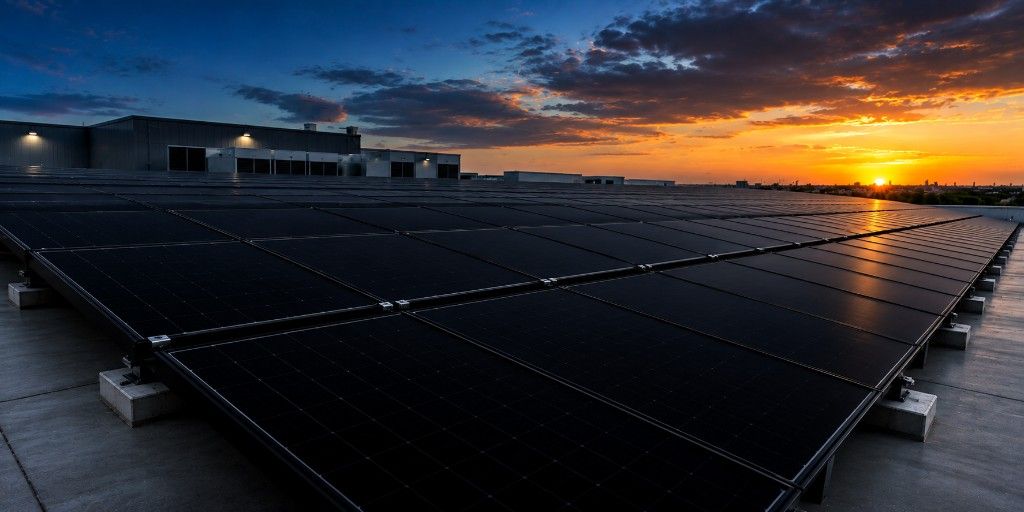
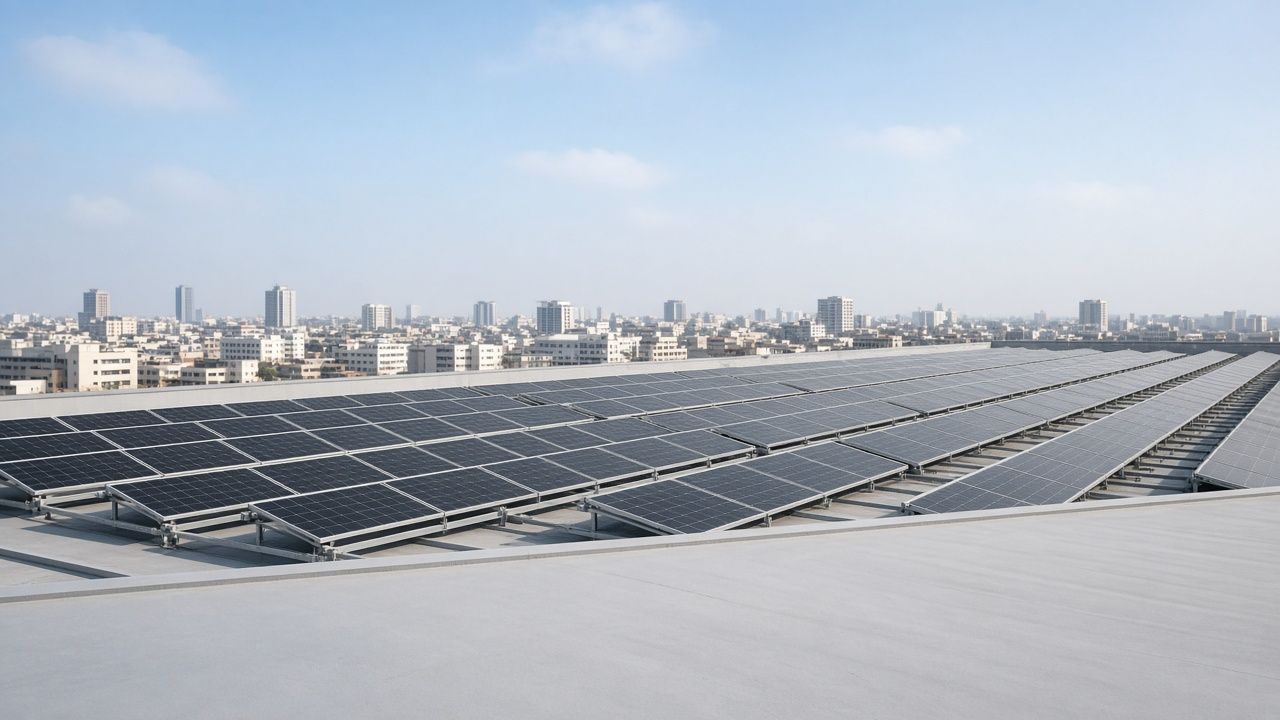
Panels on your roof where the structure allows, or on open land when the roof is too small, shaded or not strong enough.
Battery storage
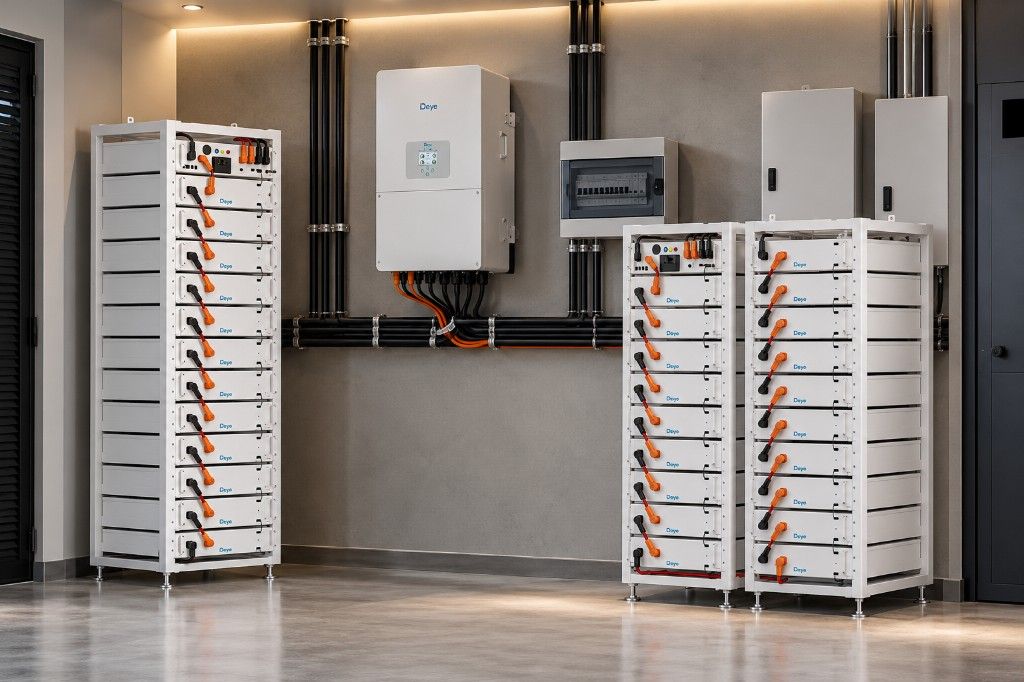
Batteries sized to carry critical loads through outages and evening demand, with room to add capacity later.
Hybrid power with your generator
Solar, batteries, grid and generator controlled as one system, with a staged plan to cut generator run-hours and diesel spend.
Wind generation
Considered only where measurements show the site has enough wind to make it worthwhile.
Protection, metering and monitoring
Switchgear, protection and metering specified in the design, with monitoring where the equipment supports it, so you can see what the system produces.
Payback calculation
A payback model built from your own diesel and electricity costs, with every assumption written down so your finance team can check it.
What to know before you buy
When C&I solar makes sense
Solar pays back fastest where a site uses most of its power in daylight and currently relies on diesel. Offices, factories running day shifts, schools, hospitals and cold rooms are typical fits.
Rooftop or ground-mount
Rooftop systems use space you already have, but depend on roof strength, direction and shading. Ground-mount arrays suit sites with open land and allow larger systems that are easier to clean and maintain.
How payback is worked out
Payback compares the cost of the system with what it saves each year: diesel you no longer buy, generator servicing you avoid and grid energy you no longer pay for. We build the model from your own records, so you can test every figure.
What a good proposal includes
A measured load profile, a single-line diagram, named equipment with datasheets, an energy yield estimate, a payback model with stated assumptions, a delivery timeline, and clear warranty and maintenance terms.
Common questions
How much can commercial solar cut our diesel costs?
It depends on how much of your load runs in daylight, the size of the system and how much battery storage you add. We work it out from your own diesel and grid records during the energy audit and show every assumption, rather than quote a standard percentage.
Can solar work alongside our existing generator?
Yes. Most commercial and industrial systems in Nigeria are hybrid: solar and batteries carry the load first, and the generator starts only when it is needed. The control system manages the switch between sources automatically.
Is our roof strong enough for solar panels?
We check the roof structure, condition and direction during the site survey. If the roof is unsuitable or too small, a ground-mount array on available land may be an option.
How long does a commercial solar project take?
It depends on the size of the system, equipment lead times and site access. Your proposal sets out a timeline for each stage: procurement, installation and commissioning.
What happens to output during harmattan and the rainy season?
Output drops when dust settles on the panels and on heavily overcast days. The design allows for seasonal variation, and the maintenance plan includes cleaning, especially through the harmattan months.
How do you calculate payback?
We compare the installed cost with the yearly saving on diesel, generator servicing and grid energy, using your own figures. Every assumption, such as the diesel price and hours of use, is written down so you can change it and see the effect.
Do you offer payment plans for commercial projects?
Eligible projects can start with ₦0 upfront. A separate 70/30 plan may also be available: 70% upfront, with the remaining 30% over three months at 0% interest. Larger projects can use milestone payments. Your quotation confirms which options apply.
Do you maintain the system after installation?
Yes. We offer planned maintenance under an operation and maintenance agreement, covering inspection, cleaning, servicing and response terms agreed before you sign.
How we approach it
We start from measured demand and the site itself. Solar and battery storage are sized to the loads that matter most, and your grid and generator stay part of the design. The system can be built in stages as demand grows.